 Max Gibson, owner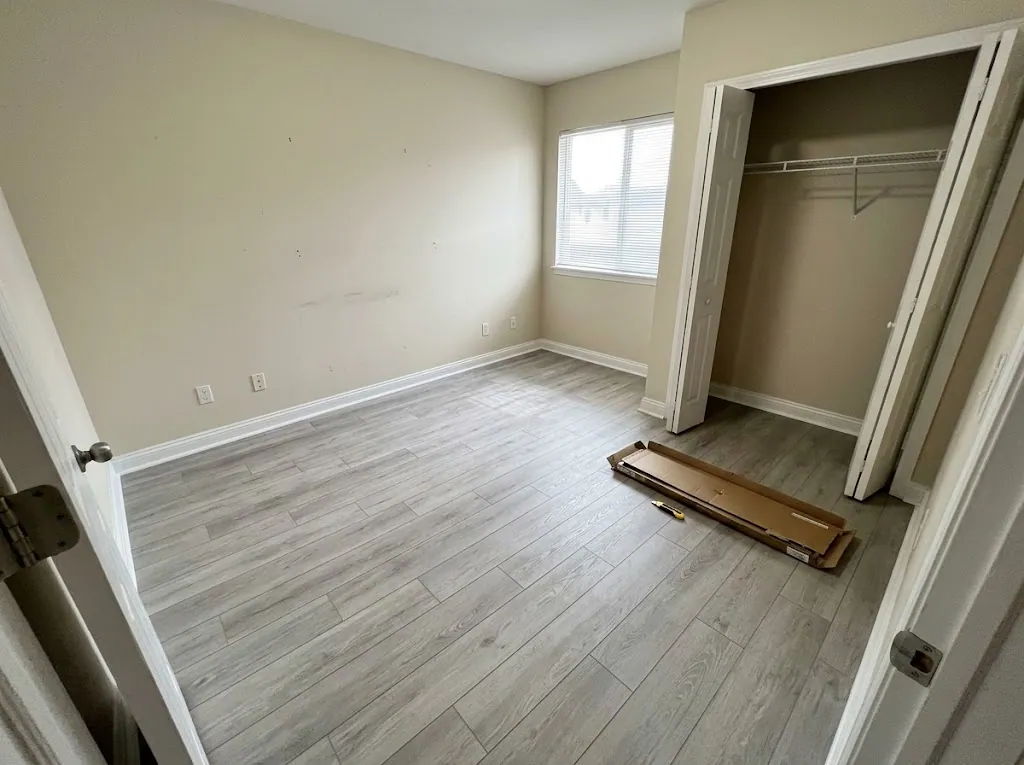
Key takeaways
- LVP is the best all-round pet floor: waterproof, quiet and scratch-resistant.
- Tile is the toughest, but hard, cold and slippery for older dogs.
- Hardwood works with pets if you pick a hard species and a matte, textured finish.
- Light, mid-tone and textured floors hide scratches and fur far better than dark, glossy ones.
How each floor handles pets
| Floor | Scratches | Accidents & water | Comfort & noise |
|---|---|---|---|
| LVP | Very good (look for a 12–20 mil wear layer) | Waterproof | Quiet and soft underfoot |
| Laminate | Excellent (AC4–AC5 surface) | Water-resistant only; seams can swell | Can sound hollow without good underlayment |
| Porcelain tile | Best | Waterproof (grout should be sealed) | Hard, cold, can be slippery |
| Hardwood | Will scratch; can be refinished | Wipe spills fast; urine stains the wood | Warm, comfortable, timeless |
Why LVP is our top pick for most pets
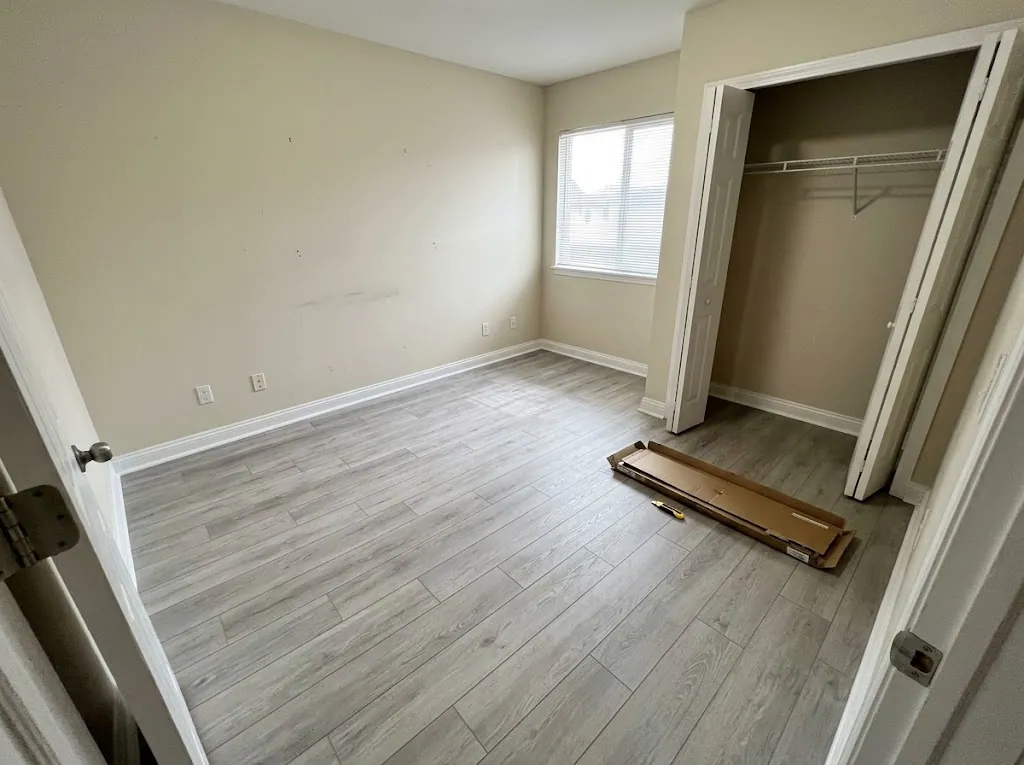
Luxury vinyl plank does not absorb water, so a knocked-over bowl or an accident wipes up without swelling. A thicker wear layer resists claw marks, and a textured, matte surface hides the light scratches it does get. It is also quieter than laminate and gives dogs more grip than tile.
Look for
- 12 mil wear layer minimum; 20 mil for big or active dogs
- Textured or embossed surface
- Mid-tone or light color with visible grain
- Attached pad for less noise
Skip
- Thin, budget planks under 8 mil
- High-gloss or very dark finishes
- Floating floors without proper underlayment in upstairs rooms
- Glue-down vinyl over uneven subfloors
Making hardwood work with pets
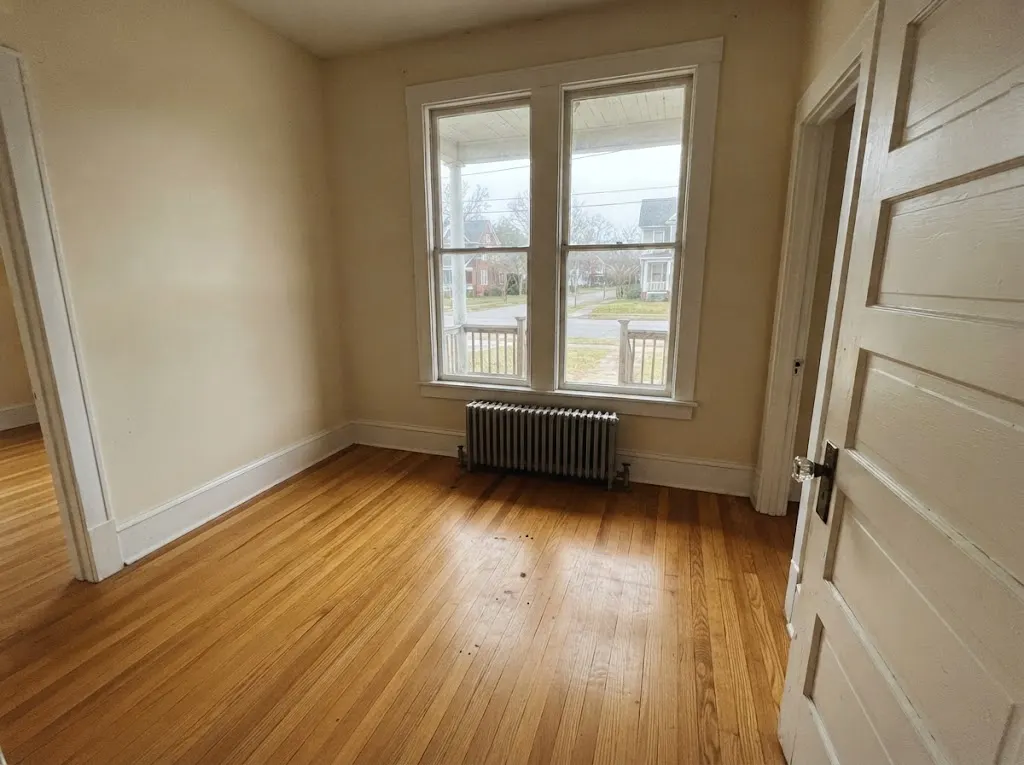
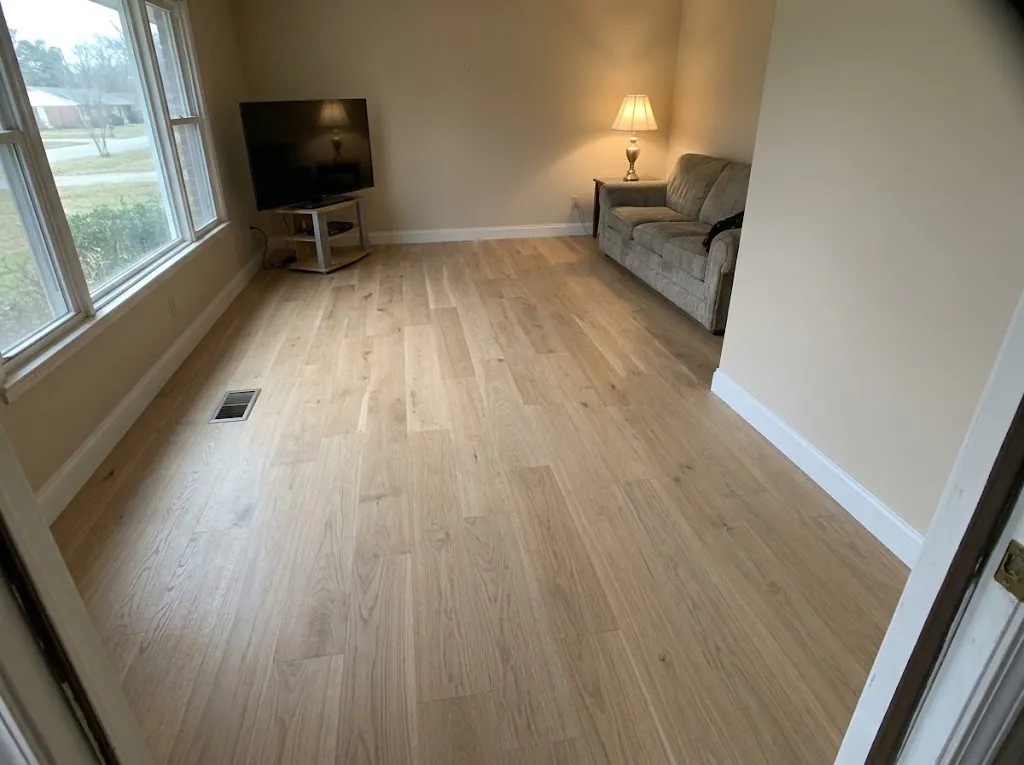
Plenty of our customers love hardwood with two dogs. The trick is choosing wood and finishes that hide wear, and accepting some character over time.
- Choose a harder species. White oak and hickory resist dents better than softer woods like pine or walnut.
- Go matte or satin, not gloss. Low-sheen finishes hide fine scratches. Wire-brushed textures hide them even better.
- Pick a mid-tone color. Very dark and very light floors show every scratch and every bit of fur.
- Plan a recoat every few years. A screen and recoat refreshes the protective finish before scratches reach the wood.
Pet urine that sits on hardwood can leave black stains that do not sand out. Those boards are replaced and blended in. Clean accidents quickly with a cleaner made for wood floors.
Pet-proofing tips for any floor
- Keep nails trimmed; it is the single biggest scratch reducer.
- Put a washable mat under food and water bowls.
- Add runners with non-slip pads in hallways where dogs run and turn.
- Use felt pads on furniture so you are not adding scratches of your own.
- Wipe muddy or sandy paws at the door; sand acts like sandpaper on any floor.
Bring the dog to the estimate. We will show you samples, scratch-test them, and recommend what fits your home and budget.
Quick answers
What flooring is most scratch-resistant for dogs?
Porcelain tile and laminate with an AC4 or AC5 rating resist scratches best. LVP with a 20 mil wear layer is close behind and is waterproof, which is why it is our usual recommendation.
Is LVP good for dogs?
Yes. Quality LVP is waterproof, quieter than laminate, and its textured surface hides light scratches and gives dogs better grip than tile.
Can I have hardwood floors with a dog?
Yes. Choose a hard species like white oak or hickory, a matte or wire-brushed finish and a mid-tone color, and plan a screen and recoat every few years.
Can pet scratches be removed from hardwood?
Scratches in the finish are removed with a screen and recoat. Deeper scratches into the wood are sanded out with a full refinish.